
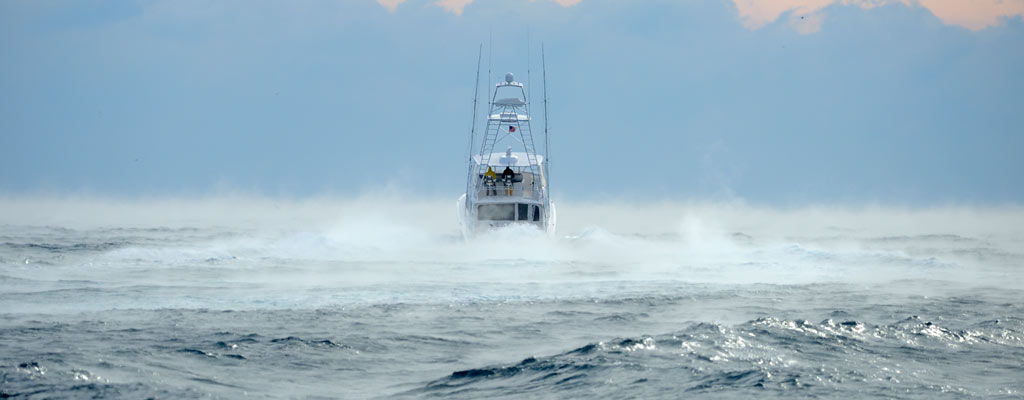

Gasp! The Four Stages of Cold Water Immersion
What you should know about cold water immersion.
Falling into cold water is more than just an inconvenience, it's downright dangerous.
For example, your body may react to the cold water or sustained immersion in cold water, in uncontrollable ways. Experts have described what happens to the body when immersed in cold water and have summarized the features and characteristics into four distinct stages. Failure to recognize this, can lead to hypothermia, a serious condition which is the abnormal lowering of internal body temperature that should be treated only by medical personnel or specially trained individuals.
- Cold Shock - Falling into cold water provokes an immediate gasp reflex. If your head is under water, you'd inhale water instead of air and it is unlikely you'll resurface if you're not wearing a life jacket. Initial shock can cause panic, hyperventilation, and increase heart rate leading to a heart-attack. This stage lasts 3-5 minutes and at this point you should concentrate on staying afloat with your head above water.
- Swimming Failure - In just 3 -30 minutes, the body will experience swimming failure. Due to loss of muscle coordination, swimming becomes a struggle and the body tends to go more vertical in the water making any forward movement increasingly difficult. That's why it is not recommended to swim for help, but remain with the boat or something else that floats while keeping your head above water while awaiting rescue.
- Hypothermia - True hypothermia sets in after about 30 minutes. Most victims never make it to this stage since 75% of individuals succumb and die in the earlier stages of cold water immersion. At this stage, regardless of your body type, size, insulation of clothing, acclimatization and other factors, your body's core temperature gets dangerously low. Your survival chances are greatly lessened at this stage. Victims are usually rendered unconscious in this stage.
- Post Rescue Collapse - A rescued victim must be handled very carefully. When a person is removed from cold water, the body will react to the surrounding air and the body position. Blood pressure often drops, inhaled water can damage the lungs, and heart problems can develop as cold blood from the extremities is released into the body core. Proper medical attention is essential to re-warm the body safely.