
Caring for the Ecosystem
Preserving Clean Water
What you need to know about aquatic ecosystems before your next outing
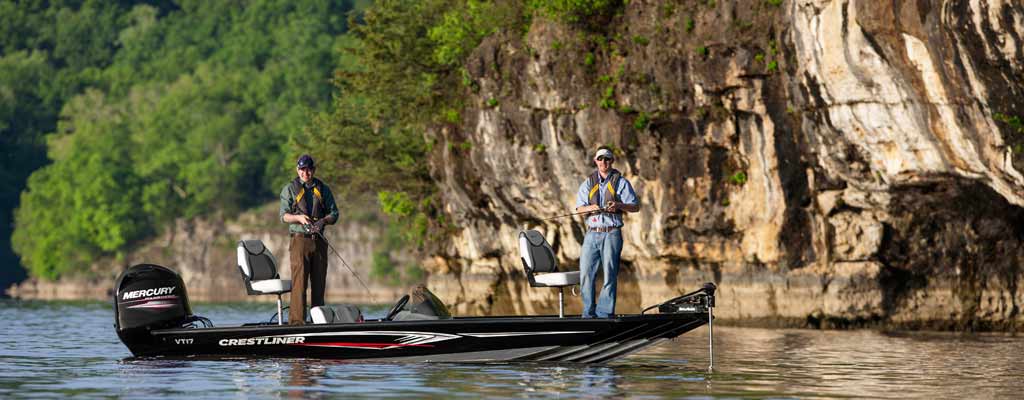
For many, one of the greatest joys of boating is being able to immerse themselves in nature.
Whether you enjoy scenic landscapes, birds and wildlife viewing or you are an avid recreational angler, boating provides an escape from day to day life and an entry into the natural world.
Maintaining a healthy ecosystem benefits us all. It’s important to know how to be a sustainable angler and to be aware of the impact of invasive species.
Explore the tabs below to understand how to remain mindful of aquatic ecosystems when boating.
How to Remain Mindful of Ecosystems While Fishing
Here are some tips for sustainable fishing:
- Know your local fishing regulations and what fish are in season.
- Have a fishing license – license fees support fisheries management.
- Know what you want to/should keep – selective harvesting is key to keeping healthy fish populations.
- Keep only the fish you plan to eat and release the rest.
- Keep mid-size fish and release the biggest fish because they spawn more often.
- Keep fish species that reproduce quickly and release predators like bass and trout.
- Use unleaded fishing products.
- Use tackle that is safer for catch and release such as single hooks, barbless hooks or circle hooks.
- Use tackle heavy enough to land a fish quickly. This reduces exhaustion so the fish will recover quicker after being released.
- Have a dehooker and know how to use it. Florida Sea grant has a video on how to use a dehooker.
- Collect all your used fishing line and recycle it.
- Handle the fish carefully.
- Wet your hands before handling.
- Limit touching the fish to reduce slime loss.
- Support larger fish with a cradle and hold them horizontally for pictures, not by the jaw or gills.
- Return the fish to water quickly.
- Make sure the fish has recovered before letting it go. Recover the fish before releasing it by holding it with the head pointed downward in the water and moving the fish back and forth to pass water over its gills until the fish is able to swim unassisted.
- If air temperatures are very warm, do not remove fish from the water if you plan on releasing them.
Invasive Species
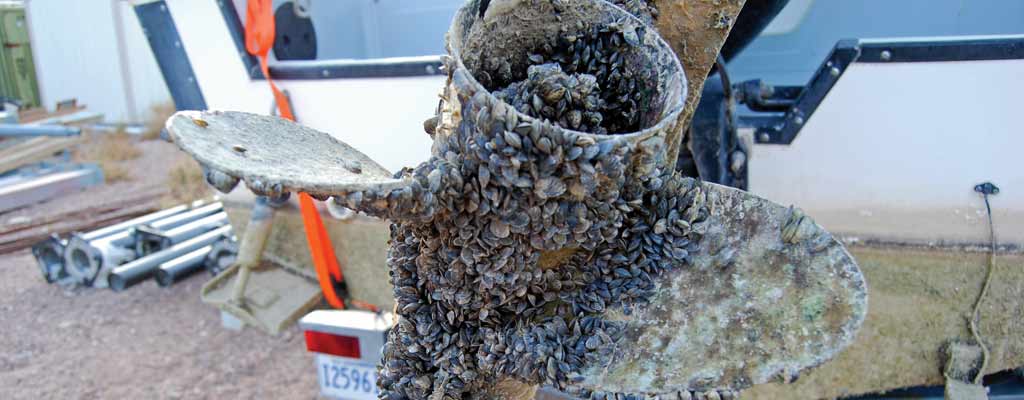
Preventing invasive species from using your boat and trailer to travel to new habitats is easy, and it’s crucial for protecting waterbodies.
Here are three simple steps to stop invasive species from spreading
Clean
- INSPECT and REMOVE all visible mud, plants, fish/animals from your boat, trailer, clothing, dogs, fishing gear or other equipment and dispose of in a suitable trash container or on dry land.
- CLEAN your boat and equipment. Rinse everything that has come in contact with the water before leaving the launch ramp. If possible use hot (140 °F) and/or high pressure water.
- If you discover any rough patches on the hull or equipment, scrub them with a stiff brush.
- Flush your motor according to owner’s manual.
Drain
- DRAIN all water from boat, hatches, bilge, live wells, transom wells and any other locations with water on land before leaving the launch site.
- Remove the drain plug before towing to allow the boat to drain completely.
Dry
- DRY your boat, trailer, and all equipment completely.
- Drying times vary depending on the weather and humidity. At least five days is recommended before launch your boat into a different waterway, but check your local and state laws to confirm if longer drying times are necessary.
Additional Tips
Dispose of unwanted bait, fish parts, worms, and packing materials, in the trash; do not dump them in the water or on land. Never dump live fish or other organisms from one water body into another.
Common Invasive Species
Plants
- Eurasian Watermilfoil
- Hydrilla
- Water Hyacinth
- Purple Loosestrife
- Water Chestnut
Fish
- Sea Lamprey
- Ruffe
- Round Goby
- Common Carp
Crustaceans
- Rusty Crayfish
- Spiny Water Flea
- Japanese Shore Crab
Mollusks
- Zebra Mussels
- New Zealand Mud Snail
- Asian Clam
Others
- Whirling Disease