
Fueling
Preserving Clean Water
What you need to know about proper fueling practices before your next outing
Following proper fueling procedures are important to keeping oil and gas out of our waterways. Oil and fuel in the water can impact bottom sediment, marine life and shore birds. You are responsible for any environmental damage caused by your fuel spill.
Preventing spills is beneficial for you and the boating environment!
Explore the tabs below to understand proper fueling practices for your boating outing.
Fueling Basics
Fueling Your Boat & The Law
Accidental or not, under Federal law (the Oil Pollution Act and the Clean Water Act), it is illegal to discharge any amount of fuel, oil or other petroleum product into the waters of the United States.
By law, any oil or fuel spill that leaves a sheen on the water must be reported to the U.S. Coast Guard National Response Center by calling 1-800-424-8802. Many states require you to contact them as well in case of a spill so make sure you know what agency to contact in your state.
It is also against the law to use detergents, soaps, emulsifying agents or other chemicals to disperse a spill. These products cause the petroleum to sink, creating even greater environmental damage. While it may only seem like a small amount, it can permanently contaminate bottom sediments. Anyone who deliberately applies soap to disperse or hide a sheen is subject to criminal penalties and high fines.
To increase awareness of the issue, boats 26″ and longer are required to post an oil placard (available at marine supply stores) near the engine.
Why Fueling a Boat is Different
While fueling a boat is a relatively common activity, it can be tricky. This video will help explain the differences between boat and car fuel systems and why extra care must be taken with fueling boats.
Fueling Tips
Whether you refuel at a roadside gas station, on the water at a gas dock, or use portable containers there are some general tips that apply to all fueling situations.
Safety First!
- No matter where you are refueling, always clear the area of anyone not directly involved with fueling boat.
- Put out all smoking materials and secure your boat to the dock.
- Turn off engine(s), electronics, and extinguish all open flames.
- Keep the nozzle in contact with the edge of the fill to prevent build up of static electricity to prevent sparking.
- Don’t top off your tank. Know how much fuel your tank holds and fill it to about 90%. Fuel expands as temperatures rise.
- Clean up fuel spills immediately with an oil-only absorbent pad. Wipe down the bilge or any interior parts that may have come in contact with fuel.
- Treat your fueling operations with care. Never use hands-free clips, and avoid any distractions while fueling.
Tips Based On Where & What You’re Fueling
Fueling at the Gas Station
- Be aware if your gas station sells gasoline with ethanol. Special precautions should be taken when using ethanol blended gasoline.
- Level your boat; fuel goes in more easily and is less likely to spill if your boat is level. Adjust your bunks/rollers or lower your trailer hitch if necessary. This can be challenging with the boat on the trailer so take note of any needed changes and adjust the trailer after your next launch.
- Position yourself so you can see the deckfill and hold the nozzle comfortably. This may mean getting into the boat or using a step stool. If you have to strain to hold the nozzle and see the deckfill, you are more likely to have a spill.
Fueling at the Gas Dock
Watch this video for more on fueling at the fuel dock.
Fueling Portable Containers
- Always refill your portable fuel containers on the pavement or dock to ensure a good ground. While the bed of your truck or the deck of your boat may seem stable, static electricity can build up and cause a spark.
- On the dock, put an absorbent pad under the container.
- Consider using a funnel. A filtered funnel will help prevent contaminants from entering the fuel tank.
- Ensure the nozzle stays in contact with the tank opening.
- Always store portable fuel tanks out of direct sunlight and keep in a cool, dry place to minimize condensation.
- Fueling your boat with a portable container can take time, make sure your container is comfortable to carry, hold and balance.
- Portable containers and Jerry Jugs can be spill prone, go slowly, pour deliberately and watch you container (especially the nozzle mechanism) for signs of wear.
- To learn more about fueling boats from Portable Containers or Jerry Jugs visit: Portable Fueling Container Tests
Fueling PWCs
- PWCs sit close to the water so it doesn’t take much for a small spill around the nozzle to end up in the water. You’ll have less time to catch drips than you would with a larger boat.
- Select a fuel dock that has wave protection or better yet PWC dock or platform to help stabilize your PWC.
- Avoid potential distractions.
- Be certain your PWC is tied up securely before refilling.
- Use an oil-only absorbent pad around the deck-fill or nozzle to catch any stray drops of fuel.
Alternative Fuels
Alternative fuel can be a good way to green your boating but it’s important to know that not all alternative fuels are the same. Before switching to an alternative fuel, make sure you do your research on what will work best for you.
Ethanol or E85
Ethanol has been giving boaters headaches and is best to be avoided if possible.
Biodiesel
Biodiesel can be a great alternative to conventional diesel fuel. Biodiesel is usually blended with petroleum diesel at different blends up to 20 percent biodiesel or B20. Biodiesel is domestically produced from vegetable oils. It burns cleaner with reduced air emissions, reduced soot, smoke and carbon monoxide emissions. Use of biodiesel also helps to reduce green house gases. Biodiesel has improved lubricity is also less toxic to marine life, though spilled biodiesel must be treated the same as spilled petroleum diesel or gasoline.
A few things to know when using biodiesel:
- Biodiesel is a great solvent. It will clean out your tanks and lines and bring all of that gunk to the filter, so you will need to change your filter more often.
- Biodiesel can also soften and dissolve the natural rubber hoses and seals. Some say to replace all lines, gaskets and seals with synthetics before switching to biodiesel.
- Biodiesel, like petroleum diesel, can be problematic in cold climates.
- Before using biodiesel you should check your engine warranty.
- Biodiesel has a shorter storage life, so ensure that the vessel is used frequently.
- Like petroleum diesel, biodiesel is prone to microbial contamination, so it is important to keep sound fuel management practices and keep water out of the system.
- It is important to keep tanks near full to minimize condensation of moisture.
Propane
Propane is another alternative fuel used in boats. You can learn more about propane engines from our Gear Tests & Safety Guides article: Alternative Outboards.
Isobutanol
Isobutabol is another bio-fuel that is showing some promise in the marine market. Isobutanol can be blended with gasoline but in early tests does not pose the same problems of ethanol.
Fuel Efficiency
Increasing your fuel efficiency saves you time with fewer trips to the fuel dock, saves money through using less fuel, and saves the environment with decreased emissions.
Here are a few tips to help you get the most out of your tank of fuel:
- Tune your engine and keep the boat bottom clean & barnacle free. A properly tuned engine not only gets better mileage, it runs better and has fewer emissions. A fouled bottom also has more drag, making your boat work harder than it needs to.
- Use the appropriate propeller and check for damage. Using the stock propeller may not be best suited for your type of boating. By experimenting with different props, you may find one that saves fuel and improves performance. Also, a damaged prop, even a slight ‘ding,’ can negatively affect fuel efficiency and performance – get it fixed!
- Drain boat of all unnecessary water before leaving the dock. At about eight pounds a gallon, excess water weight can really add up. The lighter your boat is the better gas mileage you’ll get. Keep bilges dry and top off water tanks only if you think you’ll need it.
- Reduce unnecessary weight and wind resistance. Bring only the gear you’ll need for your outing. Leave long range cruising gear at home if you are only headed out for the day. Clear your decks of clutter and lower canvas tops, they create drag.
- Balance your load and allow the boat to plane quickly. Many boats are stern heavy with occupants, motor, batteries and fuel. Consider moving passengers forward when accelerating or moving some of your heavier items forward to balance your load. Throttle back to cruising speed or sweet spot. Chances are that your boat does not get the best mileage at full speed. Once you get up on a plane, throttle back slightly or find that ‘sweet spot’ where your boat rides smooth and level and performs its best.
- Avoid excess engine idling. Even when idling in neutral, your boat is consuming fuel and the noise can be especially annoying to those around you. Plus idling can produce potentially deadly carbon monoxide (CO) fumes.
- Use the proper fuel to oil mix for your engine. If you must mix your own fuel, follow the manufacturer’s recommendations. Too little or too much oil can harm your engine, affect overall performance and reduce fuel efficiency.
- On larger boats, install a fuel flow meter. In addition to showing gallons used and gallons remaining, these new devices also allow you to see real-time fuel efficiency in gallons per hour. A fuel meter can also help you find the ideal settings for maximum efficiency and performance.
- Purchase a low emission, fuel efficient engine. When looking at a new boat or repowering your existing one, look for an engine that promises better fuel economy and lower emissions. We will cover this in more detail later.

Spill Prevention Products
In addition to practicing safe and smart fueling techniques, there are a number of products on the market that can help you prevent fuel spills.
Absorbents
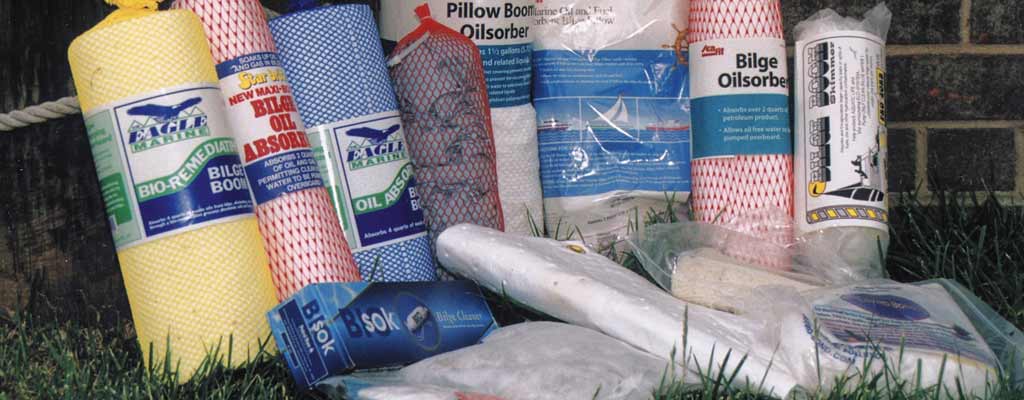
Oil-only absorbent products soak up hydrocarbons – gasoline, diesel fuel, oil, hydraulic fluids – but not water. These products work like a sponge and make spill clean-up easy. Absorbent products come in many shapes and sizes. They can be placed in the bilge to soak up oil, used around a fuel nozzle to catch backsplash or even floated on the surface of the water to collect a sheen.
Most of these products simply absorb the oil and fuel. When saturated, they can be wrung out over an oil recycling bin and reused or disposed of properly. Some absorbents harden into a gel-like substance after coming in contact with hydrocarbons. This eliminates the problem of dripping pads and may allow for easier disposal.
Other absorbent products contain naturally occurring microbes that “eat” hydrocarbons. This approach is called bioremediation and requires the presence of a small amount of water, air temperature above 40 degrees and several days or weeks to be effective. In theory, after given enough time, the microbes will consume all of the oil or fuel, leaving behind clean water. Bioremediating products should help solve some of the disposal challenges but do require time to get the job done.
A Note About Bioremediation
The BoatU.S. Foundation has not verified the claims of the various bioremediating products on the market. Absorbent products such as booms and socks containing microbes are classified as “mixed products” by the EPA. Boaters may use bioremediation products in a contained form (sock or boom) in the bilge of a boat. It is not legal for boaters to use loose or contained bioremediation products on a spill in open water. Only a trained spill response professional can apply mixed products or bioremediation products to an open water spill. Additionally, it is illegal for any boater to pour loose remediation products or spray any remediation products on the water at anytime.
Products
- Fuel Bib Shaped like a small baby bib. Slides over fuel filler neck to catch drips and overflow.
- Absorbent Pads Look like a cloth diaper. Use them like a paper towel or sponge to absorb fuel/oil while leaving the water behind.
- Bilge Sock Looks like an athletic sock filled with absorbent material. They can fit into tight places under the engine or in the bilge.
- Spill Booms Sausage shaped absorbents that can be hooked together to put around a boat, dock or large spill.
Mechanical Products
Some changes made to gasoline boat fuel systems starting with model year 2013 have greatly reduced the likelihood of a spill. Below are some products that can help prevent spills in older boats or diesel fuel systems.
- Vented Deck Fills: This device combines the fuel vent hose (that usually vents overboard) with the deck fill, allowing vented fuel to flow back into the fuel tank. Vented deck fills are installed in place of the factory installed deck fill. The hose from the fuel tank vent is redirected back into the neck of the deck fill itself, so the excess fuel will flow back into the tank instead of into the water. It can also make it easier to hear when the tank is getting full as the vent sounds will be right at the fill.
- Fuel Whistle: This device fits inline in your vent hose. As the tank fills up it displaces air through the vent. This air causes the whistle to make a sound. As the tank becomes full and the air flow stops and the sound of the whistle also stops. This simple device works in many boats. Though the location of your boat’s vent will determine how easily you can hear the whistle while fueling.
- Fuel Vent Collection: This device captures overflow from the fuel tank vent. It is mounted temporarily on the exterior of boat during fueling. It attaches with suction cups over the fuel vent. If a spill occurs from the vent, the device captures any excess fuel, preventing it from entering the water. Any captured fuel can be poured back into the boat’s tank. This product has become harder to find on the market, but many clever boaters could likely make one.
- Fuel Air Separators: An inline fuel/air separator is a device installed along the vent hose that prevents fuel from escaping at the vent by the use of a small ball valve. When the fuel enters the vent line the ball valve closes off the vent, preventing fuel from spilling.
Gear Tests & Safety Guides
Fuel Spill Prevention Guide
To learn more about mechanical products for preventing spills, visit our review of various prevention products.
In Case of a Spill
If you have spilled or discharged a petroleum product:
- Identify and stop the source of the leak.
- Notify the marina for assistance.
- Call the U.S. Coast Guard National Response Center at 1-800-424-8802.
- You must report the spill, while there can be fine for spills, the fines are even greater for failure to report or efforts to hide a spill.
- Contain spill with oil absorbent pads or booms.
- Properly dispose of used or saturated absorbents.
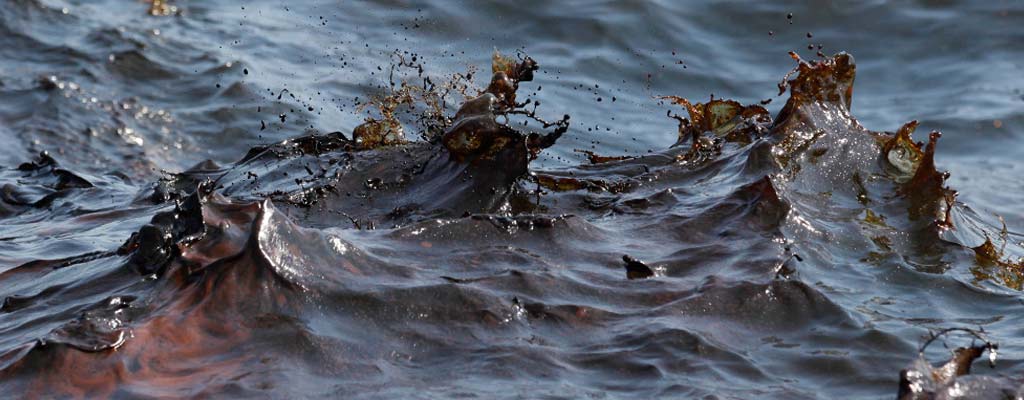
- Do not use soaps or detergents on a spill. Not only is it illegal, it makes the situation worse. While the oil seems to disappear the soap allows it disperse throughout the entire water column, making it harder to remove, contaminating sediment and impacting more organisms.
What to report to the U.S. Coast Guard:
- Location of the incident
- Cause or source of spill
- The type of fuel spilled
- The amount of fuel spilled
- Level of danger or threat
- Weather conditions at location
Marina Resources
Boaters look to you and your staff as the experts on safe and clean fueling. We see you as essential partners in our efforts to educate boaters to fuel safely and responsibly.
Preventing fuel spills and caring for our waterways isn’t just the right thing to do, it is good business!
We want to work with you and to educate boaters and dock staff about the simple steps they can take to minimize the risk of a spill.
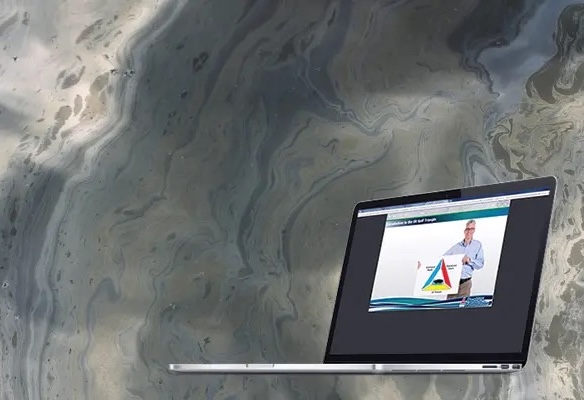
The BoatUS Foundation offers a course for marina staff. The course educates fuel dock and marina maintenance employees how to prevent and respond to fuel oil spills.
Free Online Course
Spill Prevention for Marina Staff
Think your marina staff know how to prevent and respond to fuel and oil spills? Minimize your risk, train your staff, protect your marina and the environment. This free course covers: spill prevention, planning, and response at your marina.
Tips to help your fuel dock customers fuel safely and responsibly
- Post educational signage at your fuel dock telling your customers the steps to fueling safely and responsibly. Need an example? See our sample sign.
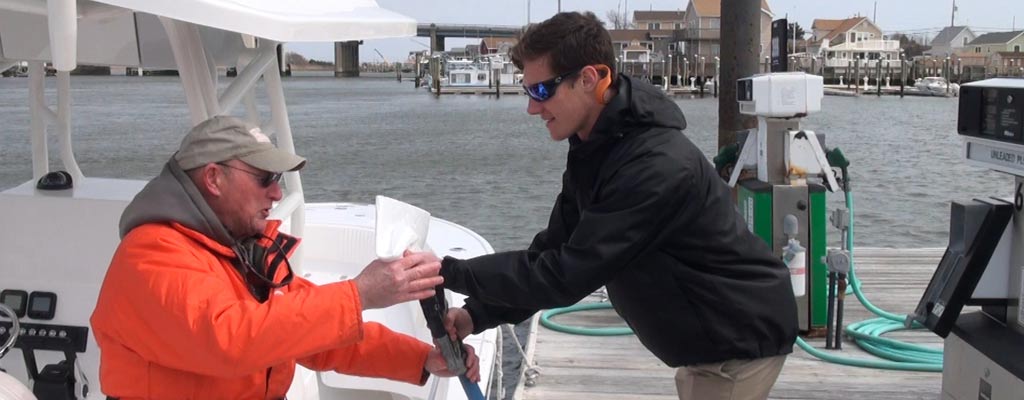
- Hand each fuel customer an oil-only absorbent pad when you hand them the fuel nozzle. Ask them to place it around the deck fill to catch backsplash.
- When you hand the nozzle to the customer, verify that they are receiving the type of fuel they requested.
- Disable or remove fuel nozzle hands-free clips (and ensure that once removed, individuals do not improvise a hands-free method.) This requires the person fueling to remain with the nozzle and should help prevent overfilling.
- When handling the nozzle always keep the tip up and hang it vertically when not in use to prevent fuel in the hose from draining out.
- Keep nozzles and hoses in good working order. Report any problems or deterioration to your fuel supplier immediately.
- Discourage customers from “topping off.” As the temperature rises or the water gets rough, fuel can expand or slosh out of the vent.
- Post emergency spill response numbers and “Discharge of Oil prohibited” signage. This will remind your customers any sheen created by a fueling mishap is against the law.
- Never use detergents to disperse a fuel spill sheen. This is illegal and can result in a hefty fine.
- Have a spill response plan and conduct spill response drills with your staff.
- For more information about dealing with fuel spills for marina staff, navigate to our oil spill remediation product test.
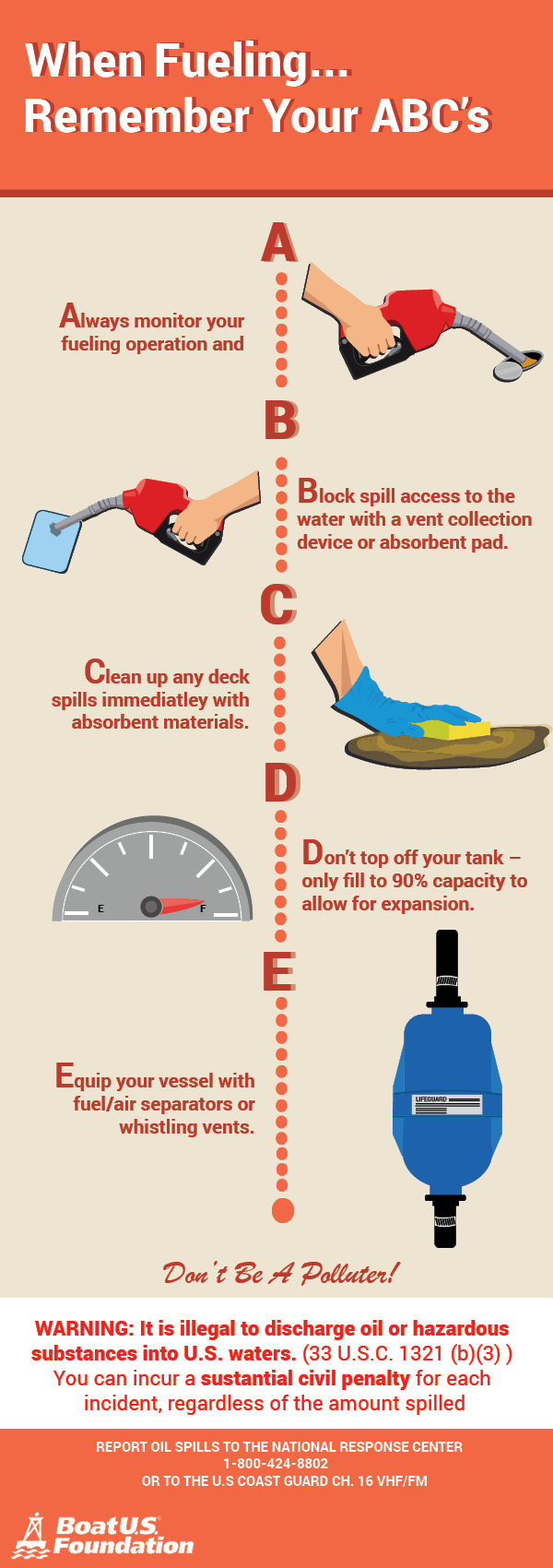
Having a well educated staff may be your best defense in preventing an accidental fuel spill. Share these simple tips with your dock attendants. Print this list for use at for your next staff briefing, or post it in your dock office or break room.