
Waste Management & Recycling
Preserving Clean Water
What you need to know about waste management and recycling before your next outing
We all know that recycling paper, cans and bottles is a good idea, but why stop there? To reduce your impact on the environment, it’s important to properly dispose of your boating waste and recycle when possible. A number of marine specific products can also be recycled, helping to reduce the amount of waste going to landfills and ensuring proper disposal of potentially hazardous materials.
Explore the topics via the tabs below to learn more about waste management and recycling.
Trash & Marine Debris
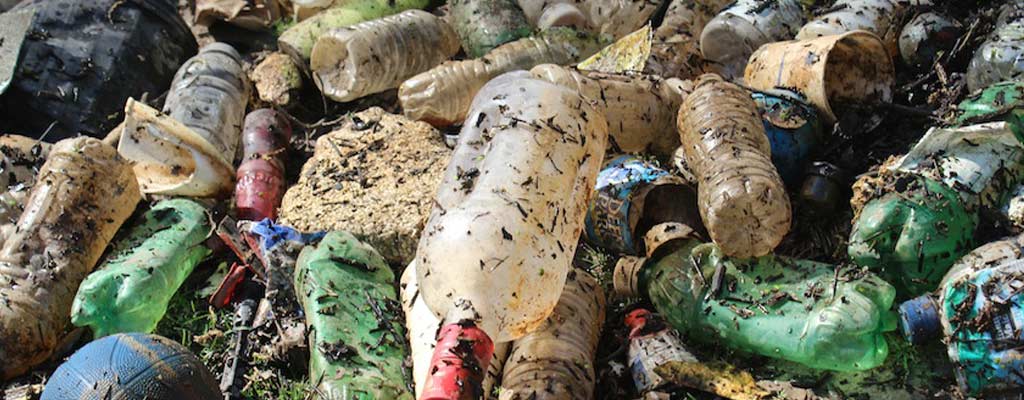
On the water, trash can quickly become marine debris. Marine debris is any manufactured item that ends up as trash in our oceans, lakes, or inland waterways.
More than an eyesore, trash in the ocean is one of the world’s most pervasive pollution problems. It sickens and kills marine animals and birds. It also undermines economies based on tourism and fisheries. While as much as 80 percent of marine debris is said to come from land-based activities, as boaters, we need to do our part.
Laws
Under federal law, it is illegal to toss ANY garbage from a boat while you are anywhere in lakes, rivers, bays, sounds, and offshore in the ocean less than 3 miles. Changes to MARPOL (marine pollution guidelines) Annex V went into effect on January 1, 2013. All U.S. boats (commercial and recreational) must now comply with these changes. Below is a chart of what cannot be discharged from a boat.
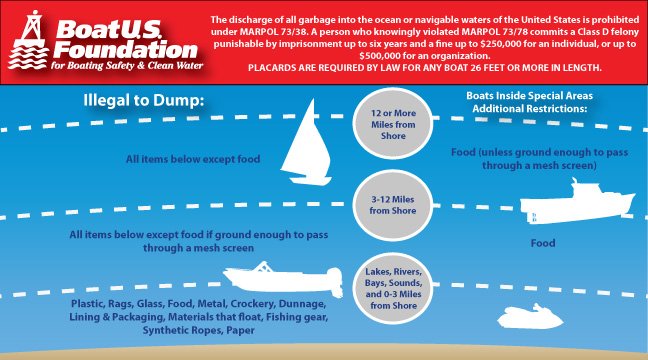
“Special areas” include the Wider Caribbean region which includes the Gulf of Mexico and the Caribbean Sea. Click here for more information on special areas.
Additionally, all boats 26 ft or more in length must have a written garbage placard and an oil discharge placard “prominently posted” to remind you and your crew what can be thrown overboard and what can’t. The placards must be permanently attached, be made of durable material, and must be at least 5X9 inches in size. Until U.S. regulations are updated to reflect the new garbage discharge requirements and placards are readily available, U.S. flagged ships operating exclusively in U.S. waters may continue to use existing placards. Placards can be found at your local boating retail store.
Violations may result in civil penalties up to $25,000, a fine of up to $250,000 for an individual or up to $500,000 for an organization and/or a prison sentence of up to 6 years. State anti-littering laws may also apply on your boating waters.
Boats 40 ft and longer must also have a written waste management plan, stating how you deal with the collected waste onboard, who handles it, and where it is disposed. This can be as short as one paragraph. We recommend that you keep your plan in your onboard ship’s papers. For a sample waste management plan, click here.
Please note that this law only covers garbage, and does not cover sewage (black water) or sink or shower water (grey water). Learn more about these in our sewage section.
Impacts
Human Health and Safety
Discarded items that can pose an immediate safety threat include broken glass that can cut bare feet and discarded rope, line, bags, or sheeting that may seem harmless but can entangle divers and disable boat propellers.
Aesthetic and Economic Impacts
Shorelines covered with litter are unattractive and often hazardous. They can keep tourists and recreational users away and impact local economies. Common debris items often last for weeks, months, or even hundreds of years in the marine environment.
Habitat Destruction
Debris can affect the water quality of aquatic habitats and also cause physical damage. Submerged debris can cover coral reefs, smother sea grasses, and harm other bottom-dwelling species.
Wildlife Entanglement and Ingestion
Monofilament line, fishing nets, six-pack holders, and strapping bands are some of the worst culprits for wildlife entanglements. Some animals mistake plastic debris for food and eat it, causing serious harm to the animal.
Prevention
- Make a rule that nothing goes overboard.
- Have sturdy trash and recycling containers with lids on your boat.
- Bring all of your trash back when going out on the water.
- Properly dispose of cigarette butts.
- Purchase reusable products, containers and water bottles.
- Save and re-use plastic bags.
- Recycle your plastic, metal, glass, paper products and monofilament fishing line.
- Be sure to stow or tie down all gear when underway on the water or the highway.
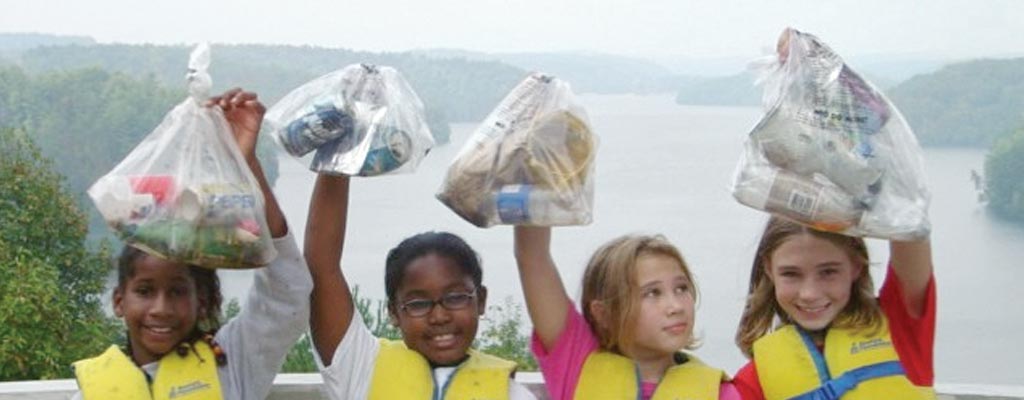
- Participate in a cleanup event – especially in areas accessible only by boat.
Sample Waste Management Plans
Boats 40 ft and longer must have a written waste management plan, stating how you deal with the collected waste onboard, who handles it, and where it is disposed. This can be as short as one paragraph. We recommend that you keep your plan in your onboard ships papers. Below are two sample forms for a Waste Management Plan.
Sample 1: Waste Management Plans for Vessels 40’ and Longer:
Waste Management Plan for (Vessel Name):
Person in Charge:
Solid Waste Management Procedures:
If the vessel is within 12 miles of shore or returning to shore:
All refuse materials are put in garbage bags and stored on board until they can be disposed of in dumpsters on shore.
If the vessel is outside of 12 miles from shore and not returning to shore:
All the garbage with the exception of food materials and paper is put in a garbage bag to be hauled to the dockside trash receptacle at trip’s end. Food material and paper generated in the galley are collected in a bucket (or in a paper bag or cardboard box) and the bucket emptied over the side (or the food filled bag or box is thrown overboard) by a crew member.
Crew Education:
At the beginning of each season all crew members are reminded of the refuse discharge laws and shown the MARPOL V placard posted in the galley. The crew is told that it is a vessel policy to stow all garbage materials on board except for food and paper when the vessel is outside of 12 miles. The captain orients all new crew and passengers to the rules governing the vessel including refuse laws and refuse handling.
Captain’s Signature:
Sample 2: Waste Management Plans for Vessels 40’ and Longer:
Waste Management Plan for (Vessel Name):
Solid Waste Management Procedures:
All vessel refuse is put in garbage bags which are stored on board until they can be disposed of in dumpsters on shore.
Person in Charge:
Crew Education:
- All crew members have been oriented to the requirements of MARPOL Annex V by the captain and all new crew are specifically shown the MARPOL V placard and told to keep all refuse stowed on board.
- Passenger orientation to the vessel includes being shown the location of the trash receptacles and mention of refuse discharge regulations.
Captain’s Signature:
Fishing Line Recycling
Each year, more than 100,000 marine mammals die from ingesting debris or becoming entangled in fishing lines, nets, and other types of derelict fishing gear. You can do your part to stop this by recycling your fishing line.
Fishing line, regardless of what type, can cause serious damage when disposed of improperly. It can harm boats, kill wildlife, and foul boat propellers. These problems stem from the fact that fishing line isn’t biodegradable. Instead, it can remain in the marine environment for over 600 years. That’s more than six centuries of potential damage to boats, wildlife, and the environment.
Do Your Part By Recycling Your Fishing Gear
As outdoor enthusiasts, we have an obligation to take care of the marine environments we love. Not just for ourselves, but for future generations to enjoy as well.
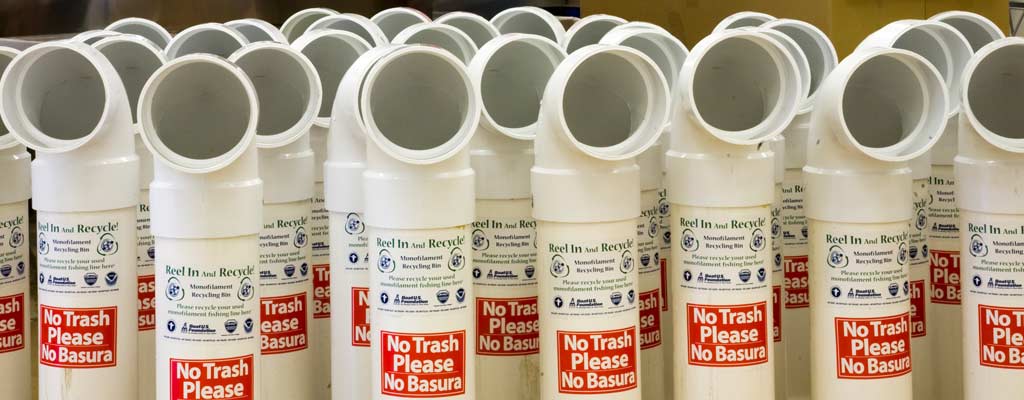
You can do your part to protect these environments by properly disposing of your recreational fishing gear. Thankfully, doing this is becoming easier and easier. Many boat ramps and marinas now have on-site fishing line recycling containers. That means you may be able to protect your favorite fishing spot by taking just a few extra steps.
If your area doesn’t have a recycling container for fishing line, that’s not an excuse to throw your gear in the dumpster. Doing so would threaten animals who live on land. Instead, try to visit a local fishing store. Many of them have monofilament recycling containers available for public use.
Why You Should Recycling Your Fishing Line
Take Ownership By Building Your Own Fishing Line Recycling Location
Protecting the marine environments we love depends on local action. It takes the community to impact these issues in ways that will last. BoatUS Foundation is committed to making it easier for people like you to step up and take ownership of their own fishing line recycling location.
In 2007, we launched our Reel In and Recycle program with grants from the National Fish and Wildlife Foundation (NFWF) and the NOAA’s Marine Debris Program. Since then, we’ve helped volunteers build more than 13,000 recycling bins for recreational fishing gear. These bins have enabled anglers across the country to safely dispose of more than 20,000 miles (and counting) of fishing line.
If you’ve noticed a lack of fishing line recycling containers in your area, now is the perfect time to take action. Building your own fishing line recycling bin is incredibly easy. We’ve even created a step-by-step video guide to show you how to do it.
Get in touch with us if you have any questions about this process. We’re happy to provide you with the support that you need to get started. Together, we can make a real difference by making fishing line recycling the new normal.
Fishing Line Clean-Up Initiative
How to Build a Monofilament Recycle Bin
Building and monitoring a fishing line recycling bin is one of the best things you can do to protect your favorite fishing spot. Follow the instructions below to learn how to do so.
Materials Needed
The first step in building your own fishing line recycling bin is to gather all of the materials you’ll need to get the job done. To complete this project, you will need:
- 2ft. section of 4 in or 6-inch PVC pipe
- 1 PVC elbow
- 1 PVC female threaded adapter
- 1 PVC threaded plug
- Power Drill
- Adhesive
- Decals and signs
You should be able to purchase most of these items from a local hardware or plumbing supply store. However, you may need to order the sections of 6-inch PVC pipe yourself, as some hardware stores won’t carry PVC at this diameter.
Be sure to visit our store to purchase the decals and signs needed to complete your fishing line recycling bin.
Step-by-Step Instructions for Building a Fishing Line Recycling Bin
Once you’ve gathered all of the necessary supplies, you’re ready to get started. Here’s how to do it.
- Attach the threaded adapter to the 6-inch PVC pipe. Use a thin bead of adhesive to do this. Then, tap the pipe on the ground or another hard surface to ensure a snug fit.
- Fit the elbow on the pipe by using adhesive that’s been placed onto a brush. Once again, tap the elbow on a hard surface to ensure a snug fit.
- 3. Screw the threaded cap onto the adaptor. You can use your hands to do this. Once finished, drill a small drainage hole so that any excess water is able to drain from the bin.
- Apply the decals to the bin.
- Secure the metal sign near the bin.
Building your own fishing line recycling bin is as easy as that. Check out the video on this page to get a closer look at the process.
Other Waste Disposal
Pet Waste
Pet waste can contain harmful bacteria and negatively impact the marine environment. Waste eventually enters the waterways through runoff and can contaminate the water and shellfish beds and encourage weed and algae growth. Make sure you pick up all pet waste and dispose of it properly – in a trash can or dumpster. Some marinas have pet waste stations but make sure you always have baggies handy, just in case.
Oil
Disposing of used oil can be a messy problem. Used oil is considered a hazardous waste and if not handled properly it can contaminate soil and waterways resulting in environmental damage and costly clean-up. Luckily, it can be easily and safely recycled. In fact, recycling and rerefining used oil uses between 50 to 85 percent less energy than refining virgin crude oil. Check with your marina to see if they offer collection of used oil for recycling. If they do, be sure to follow their guidelines for handling the used oil. If your marina does not offer a used oil collection service, check with your local automobile repair shop or look on Earth911.org for a collection site near you.
Used Oil Filters
Oil filters are recyclable because they’re made of steel, North America’s number one recycled material. They can be recycled into new steel products, such as cans, cars, appliances and construction materials. Recycling all the filters sold annually in the United States would result in the recovery enough steel to make 160,000 new cars! For used oil filter recycling locations see Earth911.org.
Shrink Wrap
Shrink wrap is a low-density polyethylene cocoon used to protect boats during the winter. Shrink wrap is not biodegradable, and can become a disposal problem at landfills. Many marinas have started offering bulk shrink wrap recycling programs. If your marina does not offer shrink wrap recycling on site, there are companies that for a nominal fee will send you a postage paid bag that can be filled with shrink warp and returned to the company for recycling. For more information see Dr. Shrink.
Flares
To date, flares cannot be recycled but special care should be taken with their disposal. Throwing flares in your household trash can cause a dangerous situation and setting off old flares can result in false distress reports. To dispose of expired flares contact your local county public works department, police or fire department. Alternatively check with a local boating education group. They often use old flares for educational purposes.
Lead-Acid Batteries
Batteries contain lead and sulfuric acid which are both toxic to the marine environment. Most states have battery recycling laws which has prompted most battery dealers to ask for your old battery upon the purchase of a new one. When a spent battery is collected, it is sent to a permitted recycler where, under strict environmental regulations, the lead and plastic are reclaimed and sent to a new battery manufacturer. As a result of these programs the typical new lead-acid battery contains 60 to 80 percent recycled lead and plastic. For more information on where to recycle batteries see Earth911.org.
Antifreeze
While marine-rated propylene glycol antifreeze is less toxic than “regular” automobile-use ethylene glycol antifreeze, both products need to be handled carefully and disposed of properly. Used antifreeze often contains other substances including heavy metals that can be harmful to human and aquatic health. Antifreeze can be filtered and reconditioned for reuse by licensed professionals. For more information on where to find an antifreeze recycling location near you, see Earth911.org.
Hazardous Waste
- Read labels! If the label includes strong warning statements about personal health, the product can also have significant environmental implications if improperly disposed (as well as significant personal health implications if improperly used).
- Before you buy a new product with strong warning labels ask yourself if you really need to use a product that strong.
- Buy only the amount you’ll need or share with a friend.
- Follow directions for use and safely store where the product container can’t capsize!
- Try alternative products or methods of cleaning.
- Schedule major maintenance work on land away from the water’s edge (maybe during winter storage?).
- Find your local “Household Hazardous Waste” collection days where you can safely dispose of these products. Check with your local public works department or check out Earth911.org to find possibilities in your town.
Local recycling and proper disposal options vary widely depending on where you live so always check with local authorities on how to properly dispose of these items.